




What Causes Cellulite? The Real Reasons and What Actually Helps
Contents
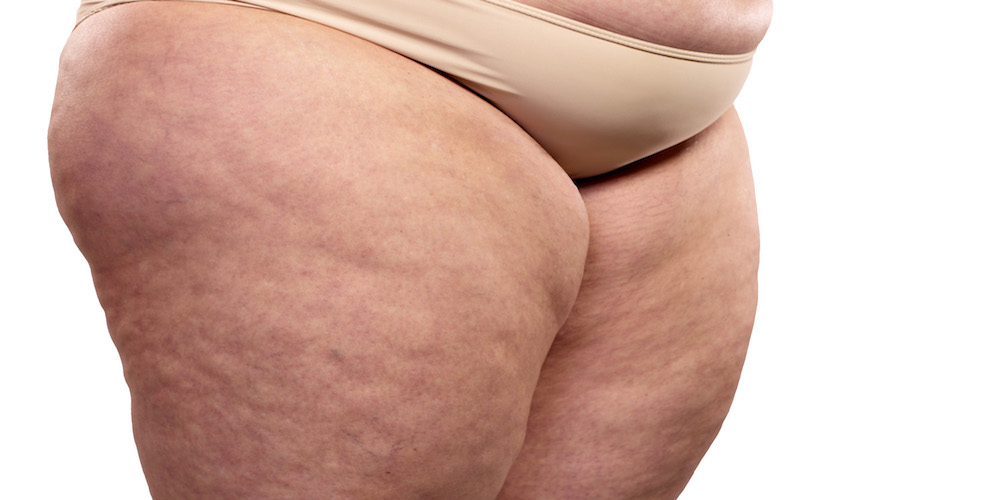
Cellulite is the dimpled, uneven skin that shows up on the thighs, bottom, hips and sometimes the stomach and arms. Around nine in ten women have some, most men have none, and it has very little to do with how much you weigh or how hard you train. This page sets out what actually causes it, what you can do about it at home, and which treatments make a visible difference, from a clinic in Whickham, Newcastle, that treats it every week and will tell you straight when something will not work.
The short version
- Cellulite is a structural feature of skin: fibrous bands pull the skin down while fat pushes up between them.
- It is driven by genetics, hormones, thinning skin with age and how much fat and fluid sits in the compartments. Toxins and junk food do not cause it.
- Exercise, steady weight and skin care improve the look of it. Nothing at home removes it.
- At our Newcastle clinic Exilis Ultra (from £785 a course) and Body Ballancer (£100 a session) make it visibly less obvious. Free assessment first.
What cellulite actually is
Under the skin, fat sits in compartments held in place by fibrous bands called septae that run from the muscle up to the skin. In women those bands mostly run straight up and down, like the columns in a mattress. When the fat compartments push upwards and the bands pull the skin down at fixed points, you get the familiar dimpling. In men the bands run in a criss-cross pattern that holds the surface flat, which is why cellulite is rare in men however much fat they carry. Cellulite is a structural feature of skin, not a type of fat, and that single fact explains why most of the things sold to fix it do not.
The real causes of cellulite
Genetics
The single biggest factor. The pattern of your fibrous bands, the thickness of your skin, how your body distributes fat and how your circulation behaves are all largely inherited. If your mother and grandmother had cellulite on their thighs, you very probably will too, whatever you eat.
Hormones
Oestrogen directs fat to the thighs, hips and bottom and affects the connective tissue and blood flow in that area, which is why cellulite appears at puberty, often gets more noticeable around pregnancy, and can change again through the menopause as skin loses collagen.
Age and collagen loss
From the thirties onwards the skin makes less collagen and elastin, so it thins and loosens. Thinner skin shows the structure underneath more clearly, which is why cellulite that was barely visible at 25 can look obvious at 45 at exactly the same weight.
Fat volume and weight changes
More fat in the compartments pushes harder against the bands, so gaining weight usually makes existing cellulite more visible. Losing weight does not reliably fix it, because the bands and the skin are still there, and rapid weight loss can make it look worse by leaving the skin slacker.
Circulation and fluid
Sluggish lymphatic drainage and poor circulation let fluid collect in the tissue, which plumps the compartments and makes the surface look lumpier. Long periods sitting, tight clothing, smoking and very low activity all nudge this the wrong way. They do not cause cellulite on their own, but they make what you have more obvious.
What does not cause it
Toxins, processed food, not drinking enough water and wearing the wrong underwear have all been blamed over the years. None of them create cellulite. Diet quality and hydration affect how your skin looks in general, and they are worth getting right, but nobody has ever dieted or hydrated their fibrous bands away.
What helps at home
Regular movement, especially strength work for the legs and glutes, builds muscle under the fat and improves circulation, which smooths the surface a little. Keeping your weight steady matters more than getting it low. Dry body brushing and massage improve blood flow and can make skin look brighter for a day or so. Skin care with retinol can thicken the skin slightly over months. Creams that promise to remove cellulite cannot reach the layer where it lives. Be honest with yourself about the ceiling: these things make cellulite look somewhat better, and nothing you do at home will remove it.
Treatments that make a visible difference
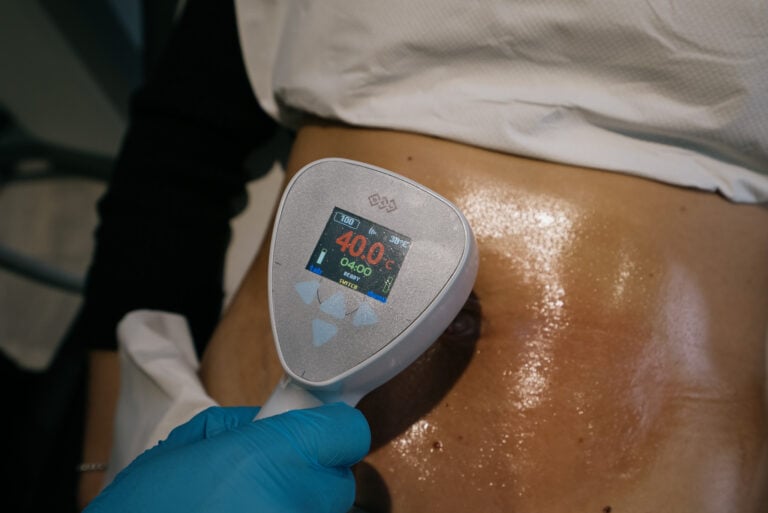
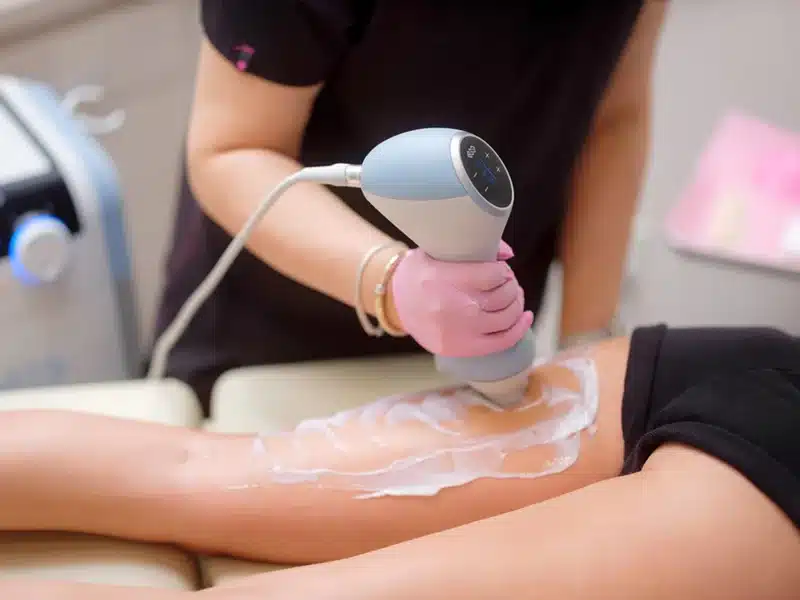
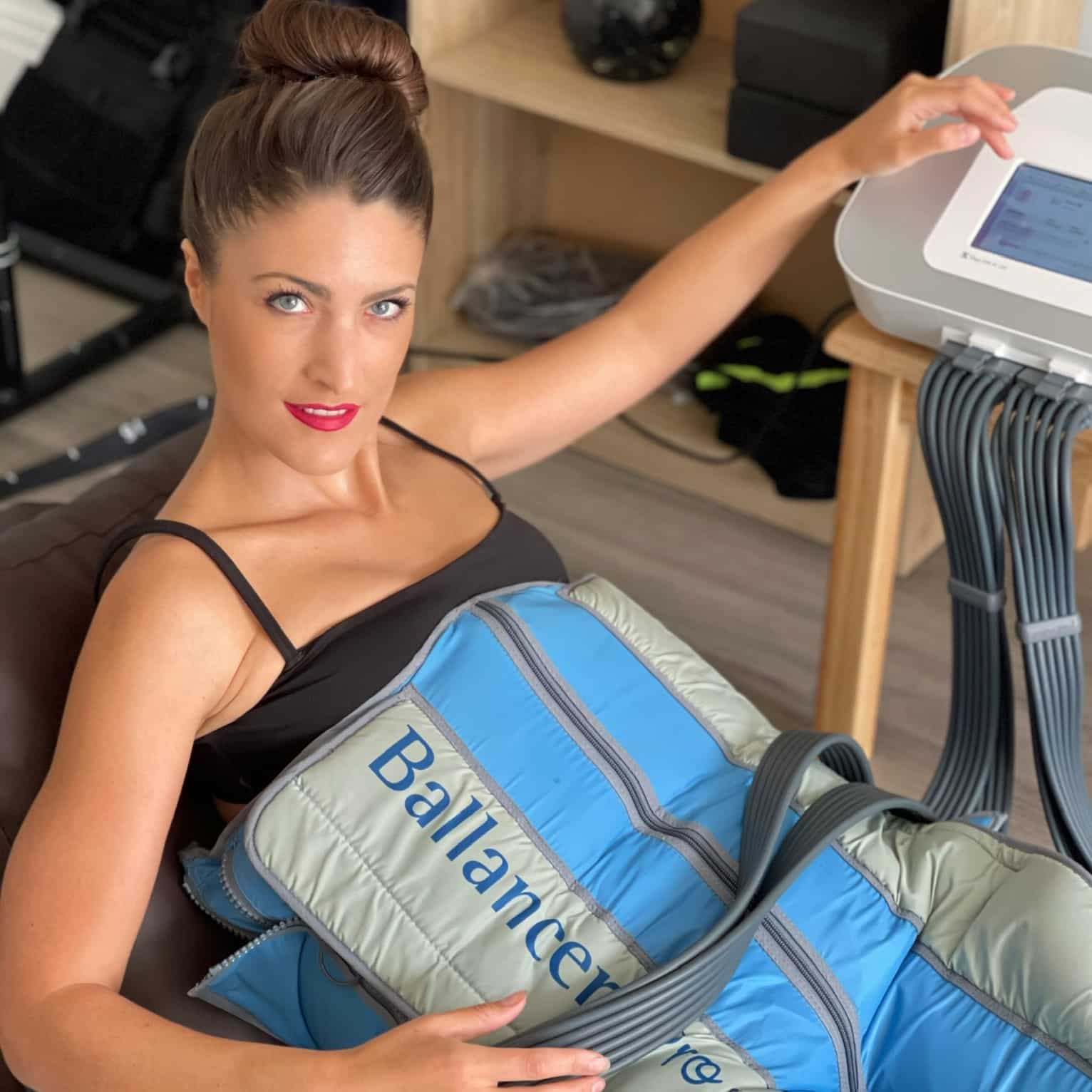
At RT Aesthetics we use two. Exilis Ultra combines radiofrequency and ultrasound to heat the deeper skin, which tightens it, builds new collagen and shrinks the fat compartments at the same time, so the surface sits flatter. It is a course of four to six sessions, from £785, and it feels like a hot stone massage. Body Ballancer is a compression suit that gives a full lymphatic drainage massage, moving the fluid that makes cellulite look worse and improving circulation to the area. It is £100 a session and is often paired with Exilis or with fat freezing. Where a pocket of fat is driving the dimpling, fat freezing reduces the pressure on the bands. The full picture, with prices and what to expect, is on our cellulite treatment in Newcastle page, and we have written separately about which cellulite treatments work and which do not.
The assessment is free. We will look at whether your cellulite is mostly skin laxity, fluid or fat, because the answer changes which treatment you need, and we will tell you if the honest answer is that it is mild enough to leave alone.
Questions people ask
Why do I have cellulite when I am slim?
Because cellulite is about skin structure and hormones, not weight. Slim women with thin skin and the vertical band pattern get it just as often as anyone else.
Does cellulite go away with exercise?
Exercise improves it by building muscle underneath and improving circulation, but it does not change the bands or the skin, so it reduces the look of cellulite rather than removing it.
Can men get cellulite?
Rarely, because the fibrous bands in male skin run in a criss-cross pattern that holds the surface flat. It can appear in men with low testosterone or on certain medications.
Is cellulite permanent?
The structure that causes it is permanent, which is why creams and detoxes fail. Treatments that tighten the tissue and reduce the fat and fluid underneath can make it a lot less visible, and that improvement lasts as long as the skin and weight hold.
Not sure which treatment you need?
Book a free 30 minute assessment at our Whickham clinic. No pressure, an honest answer and a written price.
Or call 0191 649 8699 or text 07307 201681
Read more
Our Other Blogs
Our goal is simple: safe treatment, results you can measure, and support that carries on after you leave the clinic.

Over 1,000 five star reviews