




What is HIFU treatment? Your 2026 guide to skin tightening
Contents
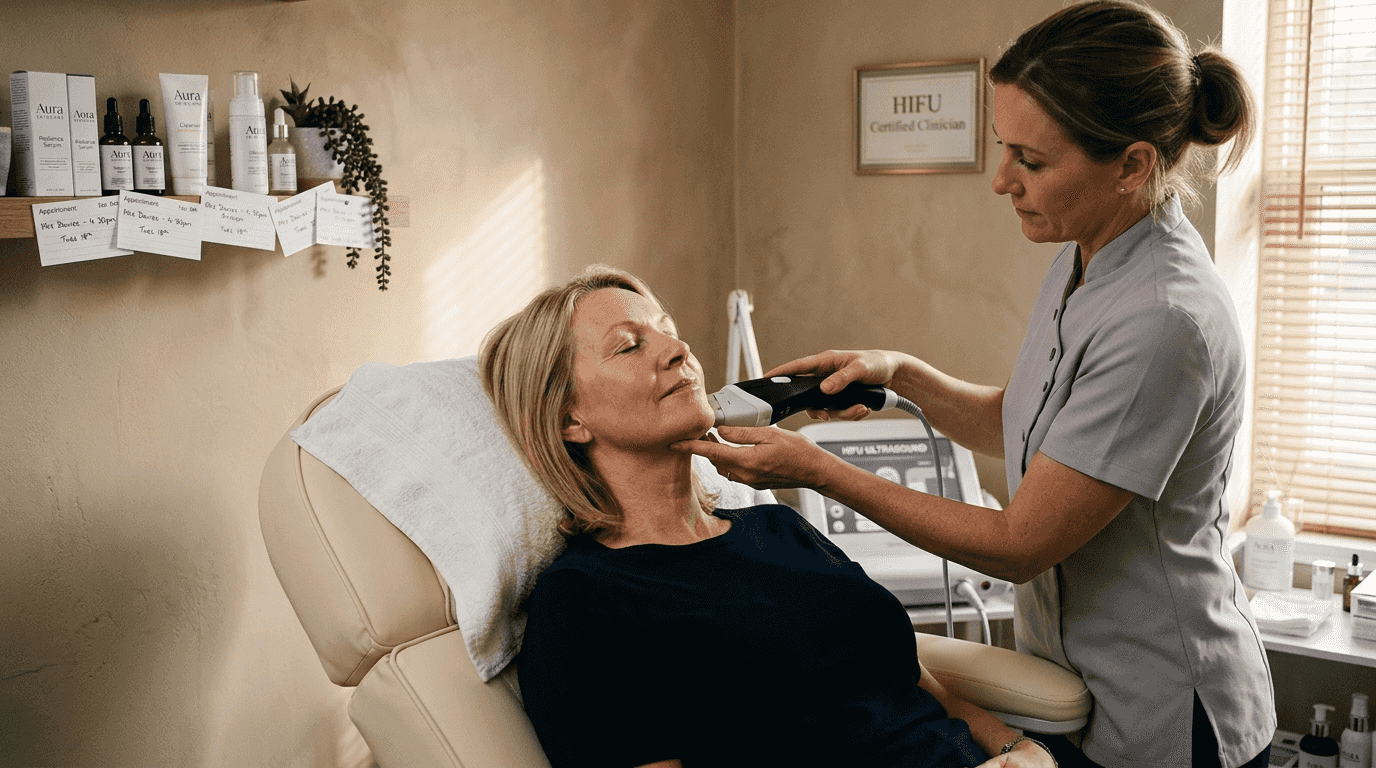
Wondering if you can achieve a lifted, youthful appearance without surgery? Many adults aged 30 to 60 feel confused about non-surgical facial rejuvenation options. HIFU (High-Intensity Focused Ultrasound) uses focused ultrasound energy to target specific depths within the skin, stimulating collagen production for skin tightening and lifting. This guide explains what HIFU treatment is, how it works, its benefits, who is suitable, and what realistic results to expect.
Table of Contents
- What Is HIFU Treatment And How Does It Work?
- The Benefits And Results Of HIFU Treatment For Skin Tightening
- Different HIFU Devices And Treatment Protocols Explained
- Is HIFU Suitable For You? Who Can Benefit And What To Expect
- Explore HIFU Treatment Options At RT Aesthetics
- What Is HIFU Treatment? Frequently Asked Questions
Key takeaways
| Point | Details |
|---|---|
| Non-invasive technology | HIFU uses focused ultrasound energy to lift and tighten skin by stimulating collagen production deep within tissue layers. |
| Multiple skin depths targeted | Treatment reaches the superficial dermis, deep dermis, and SMAS layer at 1.5mm, 3.0mm, and 4.5mm for comprehensive rejuvenation. |
| Proven clinical results | Clinical studies show a 30 to 40% improvement in facial contouring and wrinkle reduction after one session. |
| Ideal candidate profile | Best suited for adults aged 30 to 60 with mild to moderate skin laxity seeking painless, non-surgical treatments. |
| Maintenance frequency | Results last 6 to 12 months; maintenance sessions recommended annually or every 6 to 9 months depending on individual factors. |
What is HIFU treatment and how does it work?
HIFU stands for High-Intensity Focused Ultrasound, a non-invasive cosmetic technology that delivers targeted ultrasound energy to specific skin depths without damaging the surface. The procedure precisely targets three key layers: 1.5mm for the superficial dermis, 3.0mm for the deep dermis, and 4.5mm for the SMAS layer, which is the same layer surgeons manipulate during traditional facelifts. Each depth triggers distinct biological responses that collectively produce skin tightening and lifting effects.
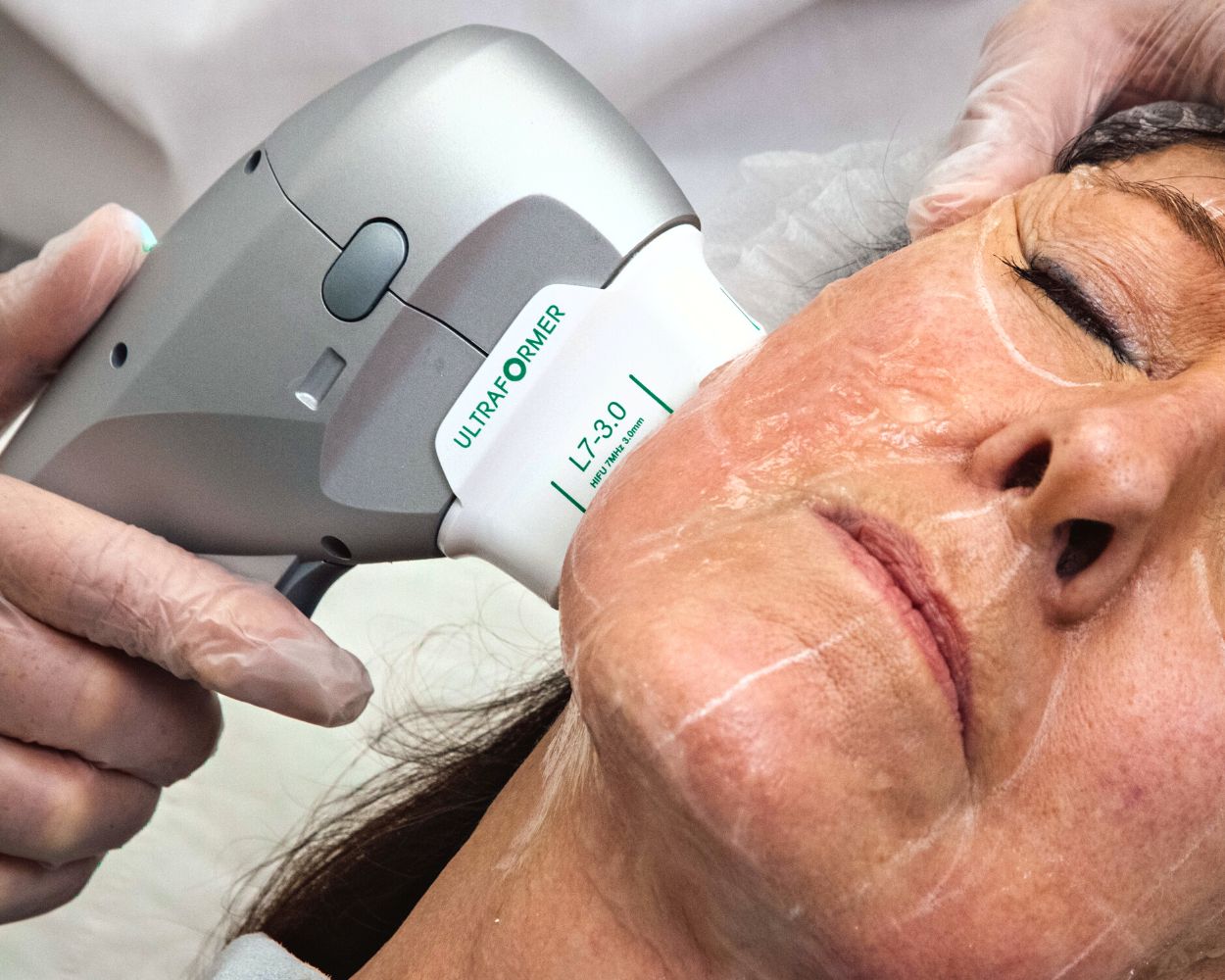
The treatment works through a precise thermal mechanism. When focused ultrasound waves penetrate the skin, they convert into heat at exact depths, creating micro thermal coagulation points. The energy causes tiny thermal coagulation points that trigger a natural healing response, resulting in new collagen and elastin production. This controlled damage stimulates your body’s natural repair process, leading to immediate collagen contraction and gradual regeneration over the following weeks and months.
Here’s how the ultrasound energy conversion process unfolds step by step:
- The practitioner applies ultrasound gel to the treatment area to facilitate energy transmission.
- A handheld device emits focused ultrasound waves that pass harmlessly through surface skin layers.
- Energy concentrates at predetermined depths, generating temperatures of 60 to 70 degrees Celsius at focal points.
- Controlled thermal injury creates micro-coagulation zones that trigger immediate collagen contraction.
- Your body initiates a natural healing cascade, producing fresh collagen and elastin over 2 to 3 months.
- Skin gradually tightens, lifts, and improves in texture as new structural proteins form.
Device precision is absolutely critical for achieving results whilst avoiding complications. Advanced HIFU systems use real-time ultrasound imaging to visualise tissue layers during treatment, ensuring energy delivery at optimal depths. Comparing HIFU or BTL Exilis options helps you understand how different technologies approach skin tightening through various energy modalities.
Pro Tip: Always verify that your practitioner uses HIFU devices with depth-adjustable cartridges and real-time visualisation capabilities, as these features significantly reduce the risk of misplaced energy delivery and maximise treatment effectiveness.
The benefits and results of HIFU treatment for skin tightening
HIFU delivers multiple aesthetic improvements that address common signs of ageing without the risks and recovery time associated with surgical procedures. Key benefits include:
- Non-invasive facelift-like lifting effects without incisions or anaesthesia
- Visible reduction in fine lines and wrinkles across treated areas
- Enhanced skin texture, firmness, and overall elasticity
- Natural-looking results that develop gradually over weeks
- Minimal to zero downtime, allowing immediate return to daily activities
- Long-lasting effects through ongoing collagen remodelling processes
The treatment excels at addressing specific facial zones prone to laxity. HIFU can effectively lift sagging facial tissues, particularly around the jawline, cheeks, and neck, with minimal downtime. The décolleté area also responds well to HIFU energy, making it an excellent option for treating chest wrinkles and crepey skin that develops with age. Unlike topical treatments that only affect surface layers, HIFU works at the foundational level where structural support originates.
HIFU offers a compelling alternative to traditional surgical facelifts by targeting the same deep tissue layers without cutting, scarring, or lengthy recovery periods, whilst stimulating your body’s natural collagen production mechanisms for authentic, gradual improvements.
Clinical evidence supports HIFU’s effectiveness across diverse patient populations. Research demonstrates consistent improvement percentages that translate into visible facial contouring changes and wrinkle depth reduction. The treatment’s ability to stimulate natural collagen and elastin production creates results that continue improving for months after the procedure, with peak effects typically visible around the three-month mark.

For comprehensive facial rejuvenation, exploring skin tightening HIFU treatment options reveals how different protocols address specific concerns. The technology’s versatility allows practitioners to customise treatment intensity, depth, and coverage patterns based on individual anatomy and aesthetic goals, ensuring personalised outcomes rather than one-size-fits-all results.
Different HIFU devices and treatment protocols explained
Not all HIFU systems deliver identical results. Understanding device variations helps you make informed decisions about which technology best suits your needs. The most significant difference lies in cartridge depth capabilities and energy delivery precision. Common cartridge depths of 1.5mm, 3.0mm, and 4.5mm target superficial, mid-level, and deep tissue layers respectively. Advanced protocols layer these depths during a single session for comprehensive treatment effects that address multiple structural concerns simultaneously.
A typical HIFU treatment protocol follows these steps:
- Initial consultation to assess skin condition, discuss goals, and determine suitability
- Thorough skin cleansing to remove makeup, oils, and surface debris
- Application of ultrasound gel to facilitate energy transmission and device gliding
- Systematic energy delivery across marked treatment zones using appropriate cartridge depths
- Post-treatment assessment and application of soothing products if needed
- Aftercare instructions covering sun protection, skincare, and activity recommendations
Device technology significantly influences outcomes. The More Young HIFU device demonstrated superior outcomes in wrinkle reduction, skin tightening, and texture enhancement compared to the 7D HIFU system. This comparison highlights how newer technologies incorporate refinements that improve patient comfort, treatment precision, and visible results.
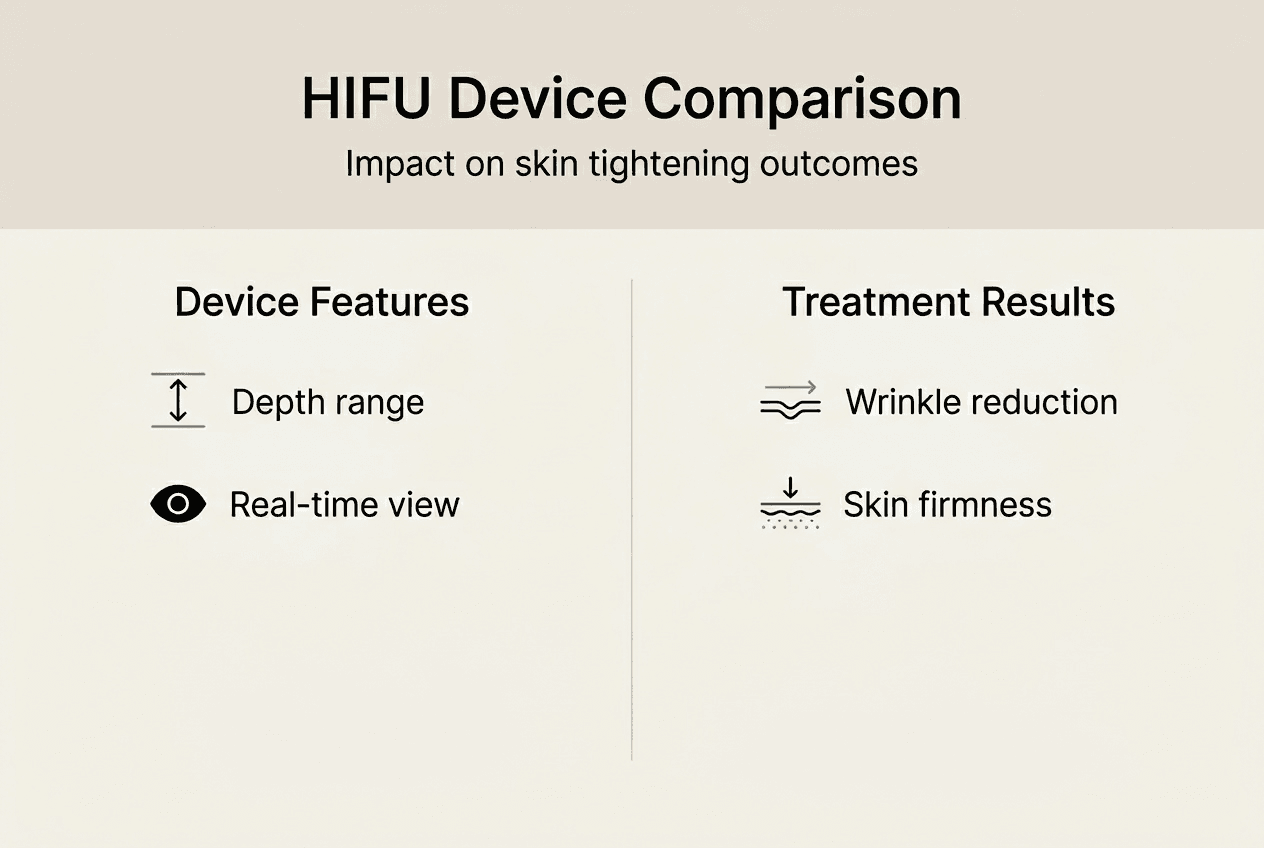
| Feature | More Young HIFU | 7D HIFU |
|---|---|---|
| Wrinkle reduction | Superior depth penetration with focused energy delivery | Effective but less precise targeting |
| Skin tightening | Enhanced lifting through optimised thermal zones | Good tightening with standard protocols |
| Patient comfort | Advanced cooling and energy pacing reduces discomfort | Moderate comfort levels reported |
| Treatment precision | Real-time imaging guides accurate depth selection | Fixed depth settings with less flexibility |
| Session duration | Efficient coverage through improved handpiece design | Longer sessions for comparable areas |
Treatment frequency depends on individual factors including age, skin condition, and lifestyle. Most people need one primary HIFU session per year, with potential repeats every 6 to 9 months depending on individual factors. Maintenance sessions help sustain collagen production and prolong the lifting effects achieved during initial treatment.
The latest advancement in HIFU technology, the New MED HIFU Ultra 7D, represents cutting-edge innovation with multiple cartridge options and enhanced comfort features. This system allows practitioners to customise treatments with exceptional precision, targeting specific anatomical structures whilst avoiding sensitive areas like bone and major blood vessels.
Pro Tip: Ask your practitioner which specific HIFU device they use and request evidence of clinical outcomes, as device quality directly impacts your results and safety profile during treatment.
Is HIFU suitable for you? Who can benefit and what to expect
Determining candidacy for HIFU involves assessing multiple factors beyond simply wanting tighter skin. Ideal candidates typically share these characteristics:
- Ages 30 to 60 experiencing early to moderate signs of facial ageing
- Mild to moderate skin laxity rather than severe sagging requiring surgical intervention
- Realistic expectations about gradual improvements over weeks to months
- Preference for non-surgical options with minimal disruption to daily routines
- Good overall skin health without active infections or inflammatory conditions
- Willingness to maintain results through proper skincare and potential maintenance sessions
HIFU is suitable for individuals experiencing mild to moderate facial laxity, drooping jawline, fine lines, uneven texture, and post-weight-loss skin slackness, especially ages 30 to 60. The treatment excels at addressing specific concerns like jowl formation, neck bands, brow drooping, and nasolabial fold deepening. Post-weight-loss patients often benefit from HIFU’s ability to tighten skin that has lost elasticity after significant fat reduction.
Realistic expectations are crucial for satisfaction with outcomes. HIFU produces gradual improvements as your body generates new collagen, not instant transformation. Initial tightening from collagen contraction appears within days, but peak results develop over 2 to 3 months as fresh structural proteins form. A single session typically produces noticeable improvements, though some individuals choose additional treatments for enhanced effects.
Certain conditions make HIFU unsuitable or require special consideration. Patients with severe skin laxity showing significant jowling or neck wattles achieve better outcomes with surgical procedures that can remove excess tissue. Active skin infections, open wounds, or severe acne in treatment areas require resolution before HIFU application. Medical contraindications include pregnancy, pacemakers or implanted electronic devices, and certain autoimmune conditions affecting healing capacity.
Practical consultation advice: arrive with clean skin free from makeup, prepare questions about device type and practitioner experience, and discuss any medications or supplements that might affect healing. Understanding what defined jawline tips complement HIFU results helps you develop a comprehensive approach to facial contouring that combines professional treatments with at-home strategies.
Explore HIFU treatment options at RT Aesthetics
RT Aesthetics offers cutting-edge HIFU technologies including the New MED HIFU Ultra 7D in Newcastle, delivering precise, comfortable treatments backed by clinical evidence. Our experienced practitioners conduct thorough consultations to identify the best treatment protocols for your unique skin concerns, ensuring personalised approaches rather than generic procedures.
We specialise in combination therapies that enhance HIFU results through synergistic effects. Exploring HIFU and BTL Exilis treatments reveals how pairing focused ultrasound with radiofrequency technology addresses both deep structural laxity and surface texture concerns simultaneously. This multi-modal approach delivers comprehensive rejuvenation that surpasses single-treatment outcomes.
Our skin tightening treatments portfolio includes various non-invasive options tailored to different skin types, concerns, and aesthetic goals. Book a consultation to receive expert assessment of your candidacy, realistic outcome projections, and a customised treatment plan designed specifically for your facial anatomy and rejuvenation objectives.
What is HIFU treatment? Frequently asked questions
What does HIFU stand for and how is the treatment performed?
HIFU stands for High-Intensity Focused Ultrasound, a non-invasive technology that uses concentrated ultrasound energy to stimulate skin tightening. The treatment is performed by applying a handheld device to your skin after gel application, delivering focused energy to precise depths beneath the surface without cutting or needles. Multiple passes target different tissue layers for comprehensive lifting effects.
Is HIFU treatment painful or does it require downtime?
Most patients experience mild warmth, tingling, or brief discomfort during energy delivery, but the treatment is generally well-tolerated without anaesthesia. There is essentially no downtime, allowing you to resume normal activities immediately after your session. Some temporary redness or slight swelling may occur but typically resolves within hours.
How long do results from HIFU typically last?
Initial improvements appear within days to weeks as collagen contracts, with peak results developing around 3 months post-treatment as fresh collagen forms. Most people need one primary HIFU session per year, with potential repeats every 6 to 9 months depending on individual factors like age, skin condition, and lifestyle habits. Proper skincare and sun protection help prolong effects.
Can HIFU be combined with other aesthetic treatments?
Yes, HIFU combines excellently with complementary treatments like BTL Exilis for enhanced skin tightening through radiofrequency and ultrasound synergy. The MED HIFU and BTL Exilis combination addresses multiple skin concerns simultaneously through different energy modalities. Combination protocols are personalised during consultation based on your specific needs and goals.
Are there any risks or side effects to be aware of?
Side effects are typically mild and temporary, including redness, slight swelling, tingling, or tenderness that resolve within days. Skin heat injury is the most common complication with HIFU but can be minimised by proper technique and treatment protocols performed by experienced practitioners. Following professional aftercare advice and choosing qualified providers significantly reduces complication risks.
Recommended
Our Other Blogs
Our goal is simple: delivering superb results safely and effectively while providing you with a holistic, person-centred approach.


Over 1,000 five star reviews