




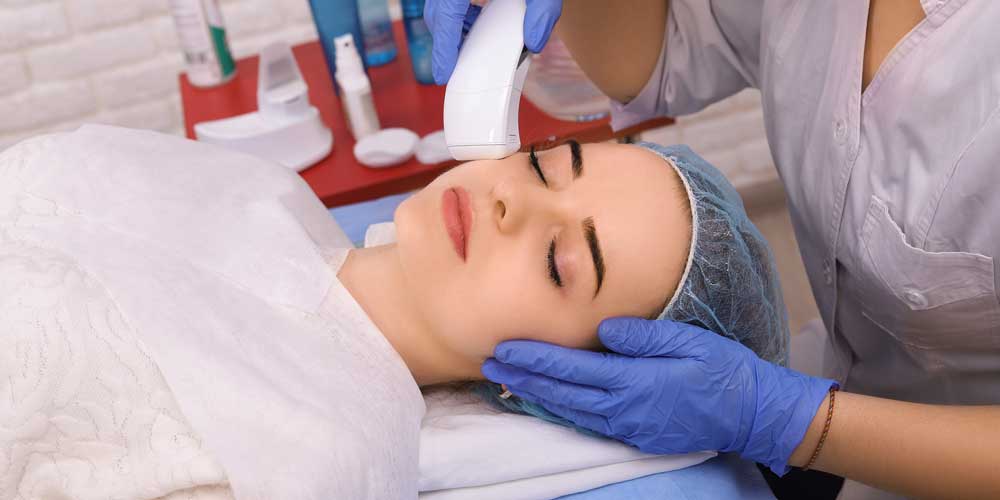
HIFU Side Effects: What Is Normal, What Is Not, and Is HIFU Painful?
Contents
HIFU has a good safety record, and it also has side effects, and any clinic that tells you it has none is not the clinic to have it at. This guide sets out what is normal after a HIFU treatment and how long it lasts, what is not normal and what to do about it, whether it hurts, how many sessions you need and how often, and who should not have it. It is written from what we see at our clinic in Whickham, Newcastle, where HIFU is one of our most requested treatments, rather than from the manufacturer's brochure. If you are weighing it up, the HIFU Newcastle page has our prices and a free assessment.
The short version
- Normal after HIFU: redness, mild swelling, tenderness and some tingling, settling within days.
- Not normal: blistering, spreading bruising or numbness that lasts for weeks, which usually points to the wrong settings or an untrained operator.
- Usually one session, repeated every 12 to 18 months as the collagen fades.
- Not suitable during pregnancy, over an active skin infection or with metal implants in the treatment area.
What HIFU does to the skin
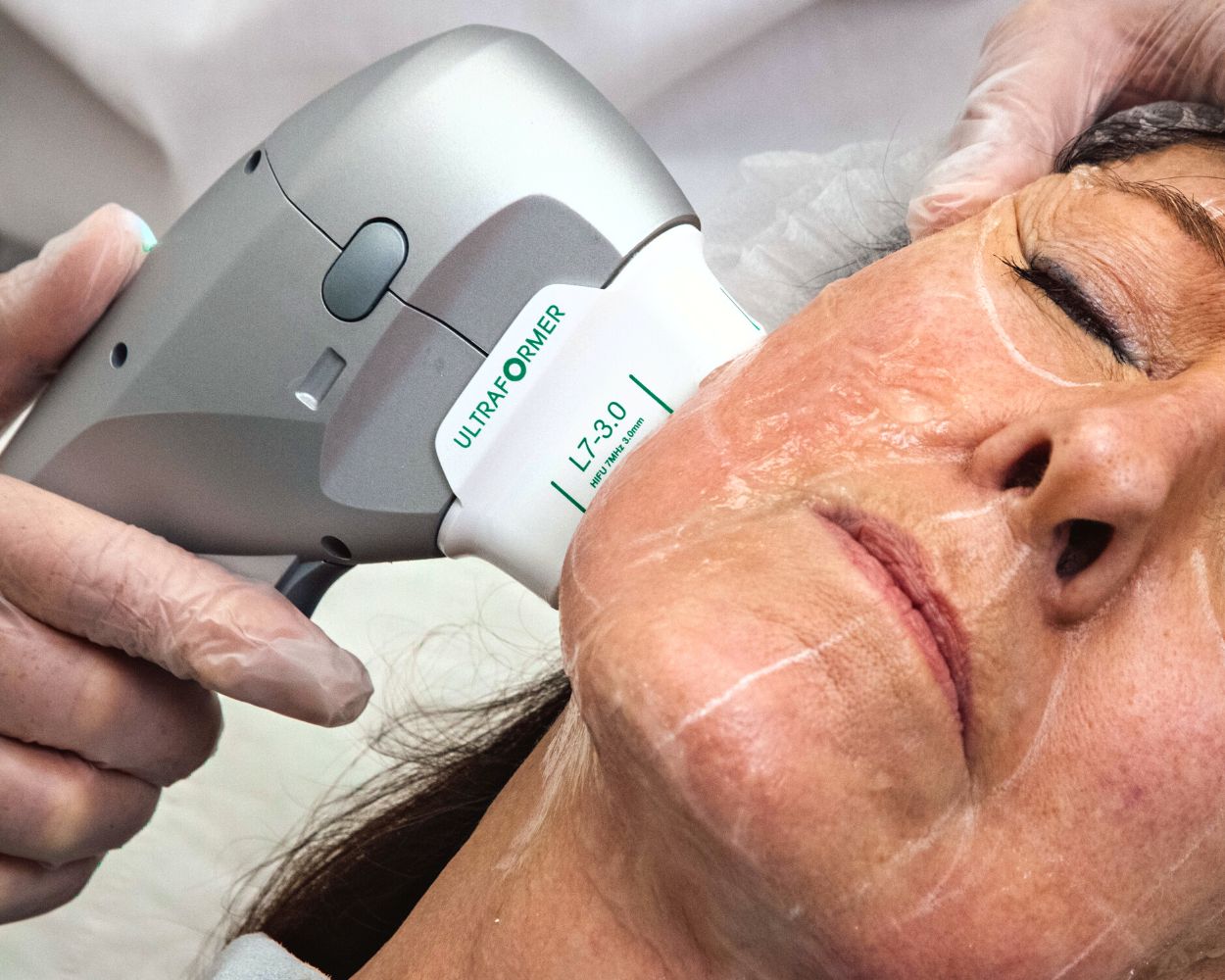
HIFU stands for high intensity focused ultrasound. A cartridge focuses ultrasound energy to a set depth beneath the skin, 1.5mm, 3mm or 4.5mm, and heats a tiny point there to around 65 to 70 degrees while the surface stays untouched. That controlled injury makes the tissue contract and triggers new collagen over the following weeks, which is what lifts and tightens. Every side effect below follows from that: you are deliberately creating small points of heat in the deeper layers, so the tissue reacts for a while afterwards.
Is HIFU painful?
It is uncomfortable rather than painful for most people, and it varies by area. The sensation is heat with a sharp prickle or pulse as each line of shots goes in, and it is strongest over bone: the jawline, the cheekbones and the brow. The neck and cheeks are easier. The deeper 4.5mm cartridge feels more than the 1.5mm one. On the ULTRAcel Q+ platform we use, the pulses are short, which most people find more tolerable than older devices, and your practitioner adjusts the energy as you go. Nothing is felt once the session is over. If you are worried about it, say so at the assessment; we can pace the treatment and adjust the energy as we go.
Normal side effects, and how long they last
Redness and warmth over the treated area for a few hours, occasionally into the next day. Mild swelling, most often along the jawline and under the chin, for a day or two, sometimes up to a week on the neck. Tenderness when you press the area, particularly over bone, for a few days to two weeks. Tingling or small numb patches along the jaw or cheek, which are the nerves settling after the heat and usually clear within days, sometimes over a few weeks. Small bruises where a shot has caught a tiny blood vessel, which fade like any bruise. A faint welt or ridge along a treatment line on the day, which settles within hours. None of these need treatment beyond a cool compress and leaving the area alone, and none of them stop you working or driving. You can come back at any point if something is worrying you, and we would rather see you than have you wonder.
Side effects that are not normal
Blistering, burns or crusting on the skin surface mean energy has been delivered too shallow or over an area that should have been avoided; this is a technique problem and it should be looked at straight away. Numbness or weakness in part of the face that lasts more than a few weeks can mean a nerve was irritated, which is rare and almost always temporary but needs assessing. A hollow or sunken look in the cheeks after treatment means the fat layer was heated too aggressively, which is the side effect that gets the most attention online and which comes from too many shots at too deep a setting on a face that did not need them. An uneven result, where one side has lifted more than the other, comes from uneven placement. All of these are avoidable with the right assessment, the right cartridge depths and a practitioner who knows the anatomy, which is the case for choosing where you have it done rather than the cheapest deal.
Long-term side effects of HIFU on the face
There are no known long-term side effects from HIFU carried out correctly, and it has been in clinical use for well over a decade. The one long-term concern worth understanding is facial fat loss. Focused ultrasound can reduce fat as well as tighten skin, which is useful under the chin and a problem in the cheeks of someone who is already slim. The answer is not to avoid HIFU but to have it assessed properly: on a lean face we use fewer shots at the shallower depths and avoid the mid cheek, and we do not repeat full-face treatment more often than the skin needs. Done that way, the effect of HIFU over time is more collagen and a firmer face, not less.
Who should not have HIFU
Anyone who is pregnant or breastfeeding. Anyone with metal implants, a pacemaker or an electronic implant in or near the treatment area. Anyone with an active skin infection, open wounds, severe acne or a flare of a skin condition in the area. Anyone who has had filler in the area within the last two weeks, or threads that are still settling. Anyone with heavy, advanced laxity, where HIFU will disappoint and surgery is the honest answer. We go through all of this at the free assessment, and if HIFU is wrong for you we say so and talk through what is not.
How many sessions do you need, and how often?
Usually one. HIFU is a one-session treatment for most people, with the result building over eight to twelve weeks and peaking at about three months. Heavier laxity sometimes needs a second session three to six months after the first. After that, most people have a top-up every twelve to eighteen months, which is how long the result typically lasts. Having it more often than that does not give you more lift and increases the chance of the fat loss described above. If a clinic is selling you a course of four HIFU sessions on the face, ask why.
How to keep side effects to a minimum
Have it somewhere medically led, where the practitioner holds a recognised HIFU qualification, can tell you which device they are using and why they have chosen each cartridge for your face. Tell them everything at the assessment: filler, threads, medication, skin conditions, cold sores. Arrive without make-up and with clean skin. Afterwards, keep the area cool, skip alcohol, saunas and hard exercise for a day, and do not massage or press the treated area. Use sunscreen, which you should be doing anyway. Ring the clinic if anything is worrying you rather than searching for it at midnight.
HIFU at RT Aesthetics
RT Aesthetics is a medically led clinic in Whickham, ten minutes from Newcastle city centre, running HIFU on the ULTRAcel Q+ platform. Every treatment follows our clinical protocols, with a clinic medic and a qualified nurse practitioner on the team for any medical questions, and you will always know who is treating you and which device is being used. The assessment is free. Full face is £1,095, face and neck £1,295, neck only £995, eyes and brow lift £895 and double chin £995, usually for one session, and everything about the treatment itself is on our HIFU Newcastle page.
Common questions
Does HIFU hurt afterwards?
Tenderness when you press the area, particularly over bone, for a few days to two weeks. Not pain at rest.
Can HIFU damage your face?
Done badly, yes: burns from shallow energy, fat loss from too many deep shots, or unevenness from poor placement. Done properly on a suitable face, no, and there are no known long-term side effects.
Can I go to work after HIFU?
Yes. Most people go straight back the same day with a little redness. Swelling along the jaw can show for a day or two, so some people book it for a Friday.
How long does swelling last after HIFU?
A day or two on the face, occasionally up to a week on the neck.
Is HIFU safe?
Yes, in trained hands. It is non-invasive, CE-marked and has been in clinical use for well over a decade. The risks come from the operator, not the technology.
Not sure which treatment you need?
Book a free 30 minute assessment at our Whickham clinic. No pressure, an honest answer and a written price.
Or call 0191 649 8699 or text 07307 201681
Read more
Our Other Blogs
Our goal is simple: safe treatment, results you can measure, and support that carries on after you leave the clinic.
Over 1,000 five star reviews