




Key chemical peel benefits for radiant skin in 2026
Contents
Choosing the right chemical peel can feel overwhelming when you’re faced with dozens of options promising smoother, brighter skin. Understanding the specific benefits each peel delivers helps you match treatments to your unique concerns, whether that’s stubborn pigmentation, fine lines, or acne scarring. This guide breaks down the proven advantages of popular chemical peels, explains how they work at a cellular level, and provides a clear framework for selecting the treatment that will deliver the results you’re after. By the end, you’ll know exactly which peel suits your skin goals and how to maximise your investment in non-surgical rejuvenation.
Table of Contents
- What Criteria Should Guide Your Chemical Peel Choice?
- Top Chemical Peels And Their Unique Benefits
- How Chemical Peels Promote Youthful, Radiant Skin
- Comparing Chemical Peels: Efficacy, Safety, And Best Uses
- Explore Chemical Peel Treatments At RT Aesthetics
- Frequently Asked Questions
Key takeaways
| Point | Details |
|---|---|
| Collagen stimulation | Chemical peels trigger controlled exfoliation that prompts your skin to produce fresh collagen, firming and smoothing texture over time. |
| Targeted solutions | Different peel formulations address specific concerns like melasma, acne, or wrinkles, so matching the peel to your condition matters. |
| Proven safety | TCA and salicylic acid peels have extensive clinical backing for efficacy and safety when administered by qualified practitioners. |
| Cumulative improvements | Regular, properly spaced treatments build on each session, delivering progressive gains in texture, tone, and wrinkle reduction. |
| Professional guidance | Consulting a specialist ensures you select the right depth and formulation for your skin type, minimising risks and maximising benefits. |
What criteria should guide your chemical peel choice?
Before booking any chemical peel, you need to identify your primary skin concerns with precision. Are you battling uneven pigmentation from sun damage, struggling with active acne breakouts, or noticing deepening lines around your eyes and mouth? Each concern responds best to specific peel formulations, so clarity here saves time and money. A professional skin assessment reveals not just surface issues but underlying inflammation, sensitivity levels, and skin barrier health that all influence which peel will work safely and effectively for you.
Skin type plays an equally vital role in peel selection. Oily, acne-prone skin tolerates salicylic acid exceptionally well, whilst drier or more sensitive complexions may need gentler glycolic formulations with lower concentrations. Your practitioner will evaluate factors like Fitzpatrick skin type, current skincare routine, and any active conditions such as rosacea or eczema. This assessment determines not only which chemical agent to use but also the appropriate depth, from superficial peels that refresh the outermost layer to medium-depth treatments that penetrate further for more dramatic collagen stimulation.
Peel depth directly impacts both results and recovery time, so understanding this trade-off helps set realistic expectations. Superficial peels cause minimal downtime, perhaps light flaking for a few days, whilst medium peels can involve more noticeable peeling and redness lasting up to a week. If you cannot afford significant social downtime, a series of gentler peels may suit better than one aggressive treatment. Equally, if you’re addressing stubborn melasma or deep acne scars, a medium-depth approach often delivers superior outcomes. Exploring anti-aging treatment options alongside peels can help you build a comprehensive rejuvenation plan.
Key considerations when choosing your peel:
- Primary skin concern (pigmentation, acne, ageing signs)
- Skin type and sensitivity level
- Acceptable downtime and recovery period
- Previous experience with peels or active skincare
- Budget for single versus series treatments
Top chemical peels and their unique benefits
Trichloroacetic acid (TCA) peels at 20% concentration have earned a strong reputation for tackling melasma and hyperpigmentation that resists topical treatments alone. Clinical evidence shows TCA 20% combined with topical tranexamic acid delivers significant melasma improvement, often outperforming other modalities. TCA works by inducing controlled protein coagulation in the skin, prompting exfoliation of pigmented cells and stimulating fresh, even-toned skin growth beneath. The result is a noticeable reduction in dark patches and a more uniform complexion, particularly valuable for those who’ve struggled with stubborn sun spots or post-inflammatory hyperpigmentation.
Salicylic acid peels offer a different advantage, particularly for inflammatory acne sufferers. This beta-hydroxy acid penetrates oil-filled pores, dissolving the sebum and debris that fuel breakouts. Research comparing salicylic acid and glycolic acid peels found both effective for acne vulgaris, with salicylic acid often achieving faster lesion reduction in oily skin types. At 30% concentration, salicylic peels reduce active pustules, calm inflammation, and prevent future breakouts by keeping pores clear. Many patients notice clearer skin within days of their first treatment, with cumulative benefits building over a series of sessions.
Glycolic acid peels suit those with mild to moderate acne, fine lines, and rough texture. As the smallest alpha-hydroxy acid molecule, glycolic acid penetrates efficiently, loosening the bonds between dead skin cells and revealing the smoother layers underneath. At 50% concentration, glycolic peels improve skin texture, reduce the appearance of shallow wrinkles, and create a brighter, more radiant complexion. These peels work beautifully for patients seeking an overall refresh rather than targeting one specific issue, making them a popular choice for maintenance and prevention.
| Peel type | Primary benefit | Ideal skin concern | Typical concentration |
|---|---|---|---|
| TCA | Melasma and pigmentation reduction | Hyperpigmentation, sun damage | 20% |
| Salicylic acid | Acne lesion reduction | Inflammatory acne, oily skin | 30% |
| Glycolic acid | Texture and radiance improvement | Fine lines, dullness, mild acne | 50% |
Exploring chemical peel types and benefits helps you understand which formulation matches your goals. Preparing your skin properly with appropriate skincare products before treatment enhances peel efficacy and minimises complications.
Pro Tip: Ask your specialist about combining chemical peels with topical agents like tranexamic acid or retinoids. This synergistic approach often accelerates pigmentation clearance and extends results between sessions.
How chemical peels promote youthful, radiant skin
Chemical peels trigger a controlled wound healing response that goes far beyond surface exfoliation. When the peel solution contacts your skin, it dissolves the intercellular glue holding dead cells together, prompting rapid shedding of the damaged outer layer. This controlled injury signals your skin to initiate repair mechanisms, ramping up fibroblast activity and collagen production in the dermis. The fresh skin that emerges is not only smoother but structurally stronger, with improved elasticity and firmness that translates to fewer visible wrinkles and a more lifted appearance.
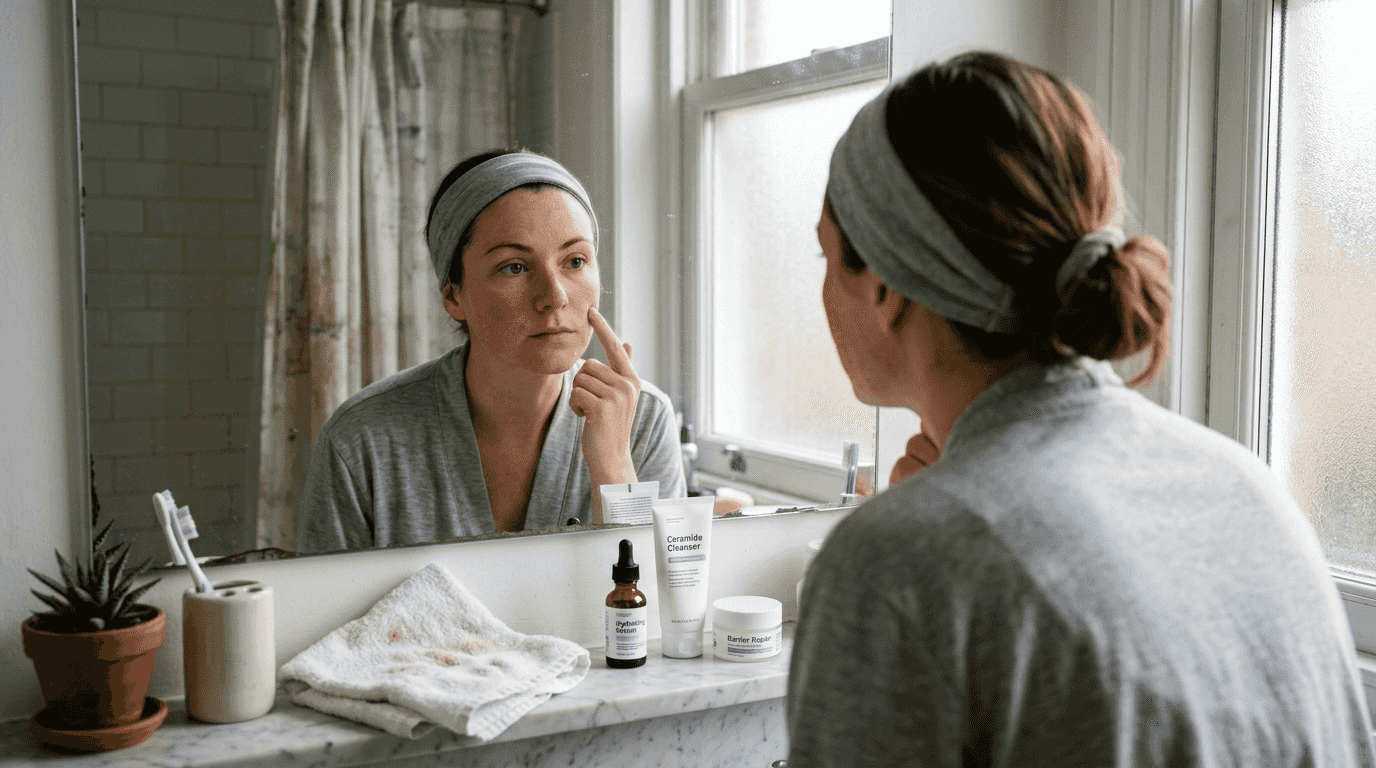
The collagen-boosting effect is where chemical peels deliver their most impressive anti-ageing benefits. Studies demonstrate that chemical peels increase collagen density by 20 to 40% and reduce wrinkle depth by 30 to 50% over a treatment series. This isn’t temporary plumping from hydration but genuine structural improvement as new collagen fibres form and organise in the dermal matrix. The result is skin that looks and feels younger, with a resilience that continues improving for months after your final peel session.
How chemical peels deliver visible rejuvenation:
- Controlled exfoliation removes damaged, pigmented, and rough outer skin layers.
- Cellular turnover accelerates, replacing old cells with fresh, healthy ones more rapidly.
- Fibroblasts in the dermis activate, synthesising new collagen and elastin fibres.
- Collagen density increases progressively, firming skin and reducing wrinkle depth.
- Skin texture smooths, pores refine, and overall radiance improves as healthy cells dominate the surface.
Research confirms that long-term collagen stimulation from chemical peels leads to firmer skin and enhanced elasticity, with benefits observed across diverse skin tones and types. This makes peels a versatile tool for anti-ageing regardless of your baseline complexion.
Consistency matters when pursuing these cumulative benefits. A single peel delivers noticeable freshness and glow, but a series of treatments spaced four to six weeks apart builds collagen reserves and sustains improvements. Many patients combine peels with complementary treatments like skin tightening procedures or LED facials to enhance elasticity and prolong youthful results. The ongoing collagen production triggered by peels means your skin continues improving between sessions, rewarding your commitment with lasting radiance.
Comparing chemical peels: efficacy, safety, and best uses
Understanding how different chemical peels stack up against each other helps you make an informed choice based on your specific skin goals and tolerance for downtime. The table below compares the most commonly used peels alongside less conventional options like cryopeeling, highlighting their primary applications, safety profiles, and expected recovery periods. This side-by-side view reveals why certain formulations dominate clinical practice whilst others remain niche.
| Peel type | Skin condition targeted | Safety profile | Downtime | Clinical efficacy |
|---|---|---|---|---|
| TCA 20% | Melasma, hyperpigmentation | High when administered professionally | 5 to 7 days moderate peeling | Superior for pigmentation, well-documented results |
| Salicylic acid 30% | Inflammatory acne, oily skin | Excellent, minimal systemic absorption | 3 to 5 days light flaking | Rapid lesion reduction, proven for acne |
| Glycolic acid 50% | Fine lines, texture, mild acne | Very good, rare adverse events | 2 to 4 days light peeling | Effective for texture and radiance |
| TCA + TXA | Stubborn melasma | High, enhanced with topical agents | 5 to 7 days moderate peeling | Significantly better than cryopeeling for melasma |
| Cryopeeling | Pigmentation (less common) | Moderate, variable outcomes | 4 to 6 days | Less effective than TCA or TXA combinations |
Clinical studies reveal that TCA 20% and tranexamic acid significantly outperform cryopeeling for melasma, offering more consistent pigmentation clearance with predictable recovery. This evidence guides practitioners towards proven formulations rather than experimental approaches, ensuring you receive treatments backed by robust data. Safety considerations include potential side effects like temporary redness, peeling, and sensitivity, which are normal and expected. More serious risks such as hyperpigmentation or scarring remain rare when peels are performed by qualified professionals who tailor depth and formulation to your skin type.
Best uses for each peel type:
- TCA peels: Deep-seated pigmentation, melasma, sun damage requiring medium-depth intervention
- Salicylic acid peels: Active acne, blackheads, oily skin needing pore-clearing and anti-inflammatory benefits
- Glycolic acid peels: Overall texture improvement, fine lines, dullness, maintenance of clear skin
- Combination peels: Stubborn conditions resistant to single-agent treatments, often paired with microneedling or topical enhancers
Exploring best anti-ageing treatment options alongside chemical peels helps you build a comprehensive rejuvenation strategy.
Pro Tip: Combining chemical peels with microneedling or targeted topical agents like tranexamic acid can significantly enhance outcomes for resistant pigmentation. Ask your practitioner about these synergistic protocols to maximise your results.
Explore chemical peel treatments at RT Aesthetics
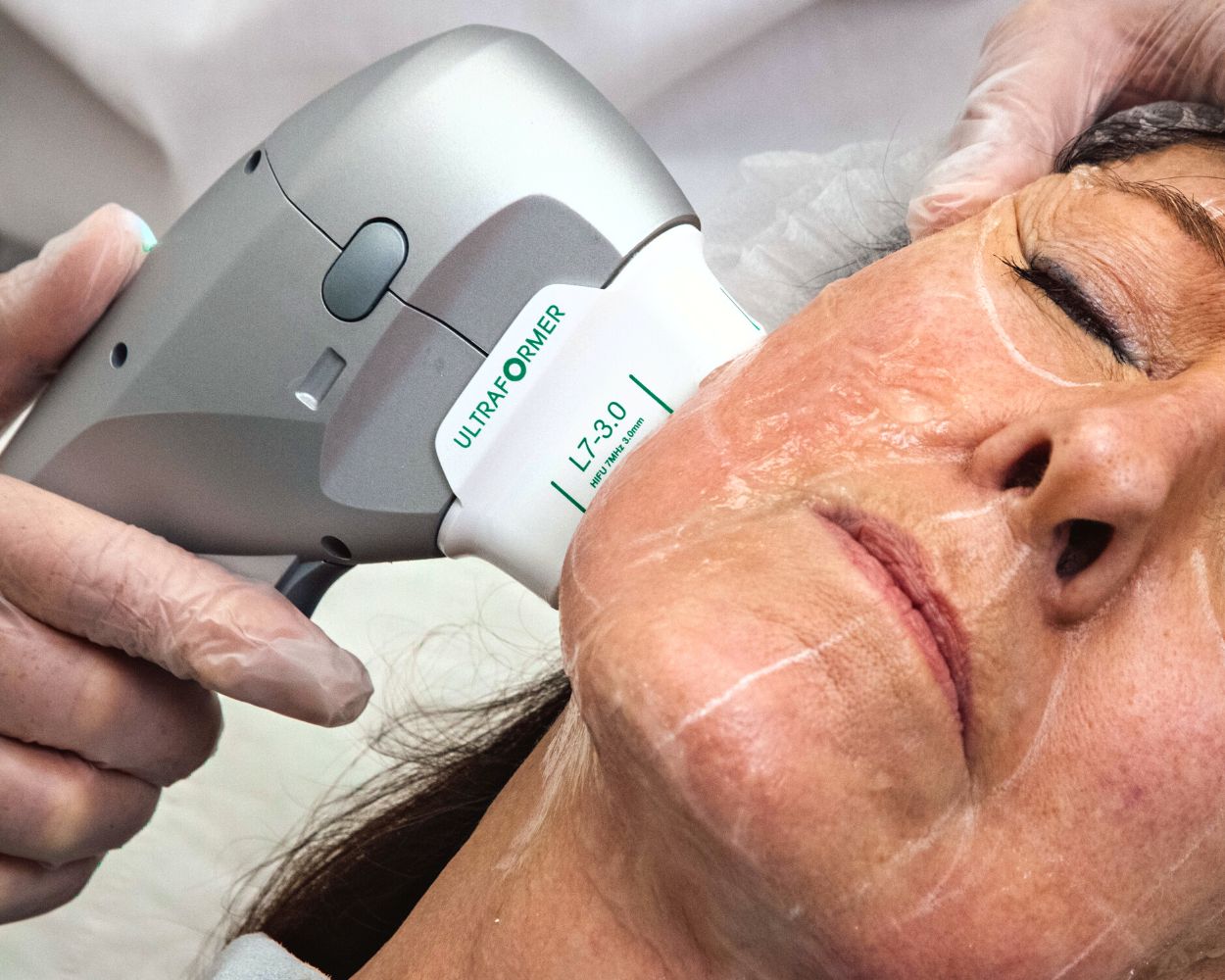
RT Aesthetics specialises in tailoring chemical peel treatments to your unique skin concerns, whether you’re addressing stubborn pigmentation, acne, or the visible signs of ageing. Our qualified practitioners assess your skin thoroughly, selecting the optimal peel formulation and depth to deliver safe, effective results with minimal downtime. We combine chemical peels with advanced modalities like HIFU and Exilis to maximise collagen stimulation and skin tightening, creating comprehensive rejuvenation plans that address multiple concerns simultaneously.

Discover our range of chemical peels in Newcastle upon Tyne and learn how we customise each treatment to your goals. Pairing peels with HIFU and BTL Exilis skin tightening delivers enhanced firmness and wrinkle reduction, whilst our MedHIFU and BTL Exilis combination treatments unlock your best skin through synergistic collagen-boosting protocols. Book a consultation today to explore which chemical peel and complementary treatments will help you achieve radiant, youthful skin in 2026.
Frequently asked questions
What are the side effects of chemical peels?
Mild redness, peeling, and temporary sensitivity are common after chemical peels and usually resolve within a few days to a week. These effects are part of the normal healing process as your skin sheds damaged layers and regenerates. More intense peels carry a slightly higher risk of hyperpigmentation or scarring if not properly managed, which is why professional administration and aftercare are essential.
How long does recovery take after a chemical peel?
Recovery time varies by peel depth and formulation. Superficial peels like glycolic acid typically involve two to four days of light flaking, whilst medium-depth TCA peels may cause five to seven days of more noticeable peeling. Your practitioner will provide specific aftercare instructions to support healing and minimise downtime.
Can chemical peels treat acne scars?
Chemical peels can improve the appearance of shallow acne scars by promoting collagen production and smoothing skin texture. Medium-depth peels like TCA are particularly effective for atrophic scars, though deeper or ice-pick scars may require combination treatments such as microneedling or laser therapy for optimal results.
Are chemical peels safe for all skin types?
Most skin types can safely undergo chemical peels when the formulation and depth are tailored appropriately. Darker skin tones require careful assessment to avoid post-inflammatory hyperpigmentation, so choosing an experienced practitioner who understands diverse skin types is crucial. Professional guidance ensures you receive a peel that delivers benefits without unnecessary risk.
How often should I have chemical peel treatments?
For optimal results, most patients benefit from a series of chemical peels spaced four to six weeks apart. Maintenance treatments every three to six months help sustain improvements in texture, tone, and collagen density. Your practitioner will recommend a schedule based on your skin concerns, peel depth, and individual healing response.
Recommended
Our Other Blogs
Our goal is simple: delivering superb results safely and effectively while providing you with a holistic, person-centred approach.

Over 1,000 five star reviews